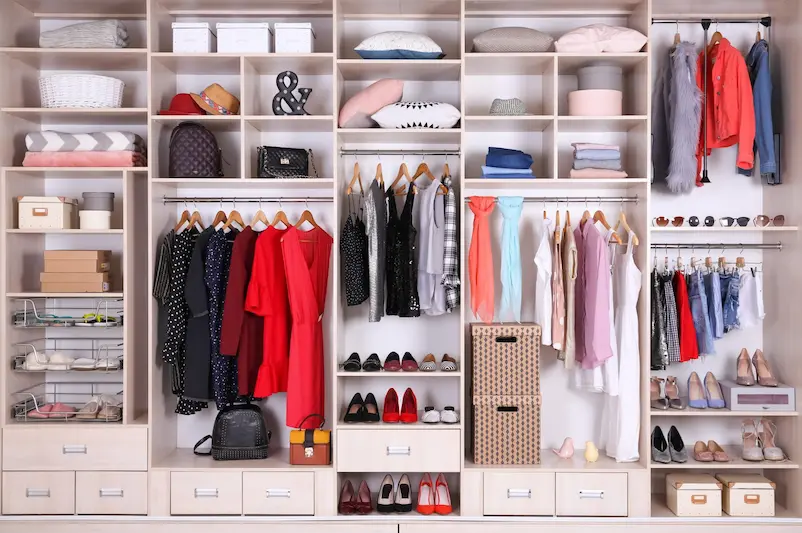
Most people wear a small fraction of their wardrobe most of the time, while the rest hangs unworn, bought for occasions that never came or trends that passed in a month. A capsule wardrobe flips that pattern: a compact collection of versatile pieces that all work together, so getting dressed becomes quick and almost every item earns its place. Building around capsule wardrobe essentials does not mean giving up style or wearing a uniform. It means owning fewer, better things that you genuinely love, and it saves money, space, and decision energy every single morning.
How a Capsule Wardrobe Works
The concept is simple. Choose a limited set of clothes, commonly around thirty to forty pieces including shoes, built on a shared colour palette so everything mixes and matches. Neutral bases such as navy, black, white, grey, and beige carry most outfits, while a few pieces in your favourite colours add personality. Because each item pairs with several others, thirty pieces can produce well over a hundred distinct outfits.
The process starts with an honest audit. Take everything out, keep only what fits well and suits your actual life, and note the gaps. Most people discover they own plenty of one category and almost none of another. That awareness is the foundation of choosing capsule wardrobe essentials deliberately rather than buying whatever catches your eye on sale.
The Core Pieces Worth Investing In
Start with the work horses: well-fitting trousers in two neutral colours, a versatile skirt or pair of jeans, plain tops in your palette, a structured blazer, a warm coat, and two or three pairs of shoes that cover formal, casual, and walking needs. Add knitwear for layering and a dress or smart outfit for occasions. Quality matters more here than anywhere else in fashion, because these pieces are worn weekly; good fabric and construction cost more per item but far less per wear.
Personal style sits on top of this base through accessories, jewellery, and a few statement pieces. The same philosophy of a reliable daily foundation appears in beauty routines too, as this guide to a simple daily beauty routine shows: a small set of dependable staples, used consistently, beats a cluttered collection every time.
Choosing Your Colours and Silhouettes
A capsule succeeds or fails on coordination. Pick two or three neutrals and one or two accent colours that suit your skin tone, and let every new purchase justify itself against that palette. If an item matches at least three things you already own, it belongs; if it needs new shoes and a new top to work, it does not.
Silhouette matters just as much. Identify the shapes that flatter you — the trouser cut, the neckline, the dress length — and buy variations of them instead of experimenting with every trend. Fashion coverage, including these modern beauty and style insights, regularly shows how a consistent personal silhouette reads as elegance, while constant trend-chasing reads as clutter. Your capsule wardrobe essentials should look like you on your best day, repeated with ease.
Building a Capsule on a Budget
A capsule wardrobe does not require buying everything new, and in fact it begins by spending nothing. The audit usually reveals enough wearable pieces to form a working capsule immediately; the first purchases should only fill the critical gaps that stop outfits coming together, such as one pair of trousers that fit properly or shoes that work with everything. Buy those few items at the best quality you can afford, because they will be worn constantly.
Second-hand shopping suits capsules unusually well, since classic staples — blazers, coats, knitwear, leather shoes — are plentiful in charity shops and resale apps at a fraction of retail prices, and their timeless designs are exactly what a capsule needs. Set alerts for your sizes and palette rather than browsing aimlessly. Spread the remaining upgrades across seasons instead of buying in one expensive rush, replacing pieces as they wear out with better versions. Within a year, most people find their cost per wear has dropped dramatically even though individual items cost more, and the wardrobe feels calmer and more personal than the overflowing one it replaced.
Maintaining the Capsule Through the Seasons
A capsule is not a one-time project. Store off-season pieces out of sight, review the collection at the start of each season, and replace worn staples before they fail completely. The popular one-in-one-out rule keeps the wardrobe stable: a new piece earns its place by retiring an old one. Keep a short running list of genuine gaps so shopping becomes targeted instead of recreational.
There is an environmental dividend worth naming as well. Fashion is one of the most wasteful consumer industries, largely because clothes are bought cheaply, worn briefly, and discarded. A capsule wardrobe attacks that pattern directly: fewer purchases, chosen carefully, worn for years, and repaired instead of replaced. Buying less also changes your relationship with the clothes you keep; when every item was chosen deliberately, dressing feels like using tools you trust rather than confronting evidence of past impulses. Many people report the unexpected benefit of compliments increasing after they simplify, because a consistent, well-fitting wardrobe reads as intentional style. Less, chosen well, genuinely looks like more.
Care extends the life of every piece: wash less often, mend small damage early, and store knitwear folded. Treating clothes well is part of the same self-respect that motivates good personal care, as these self care beauty tips describe in a related context. Start with the audit this weekend, build your list of capsule wardrobe essentials, and enjoy the calm of a wardrobe where everything fits, matches, and gets worn. Most people find the first clear-out the hardest part; after that, the system maintains itself with surprisingly little effort, and getting dressed stops being a daily negotiation and becomes one of the easiest decisions of the morning. Friends will assume you hired a stylist; in reality, you simply removed everything that was getting in the way of looking like yourself.